– From Arrests at Sea to Constitutional Questions, History, and the Search for a Way Forward
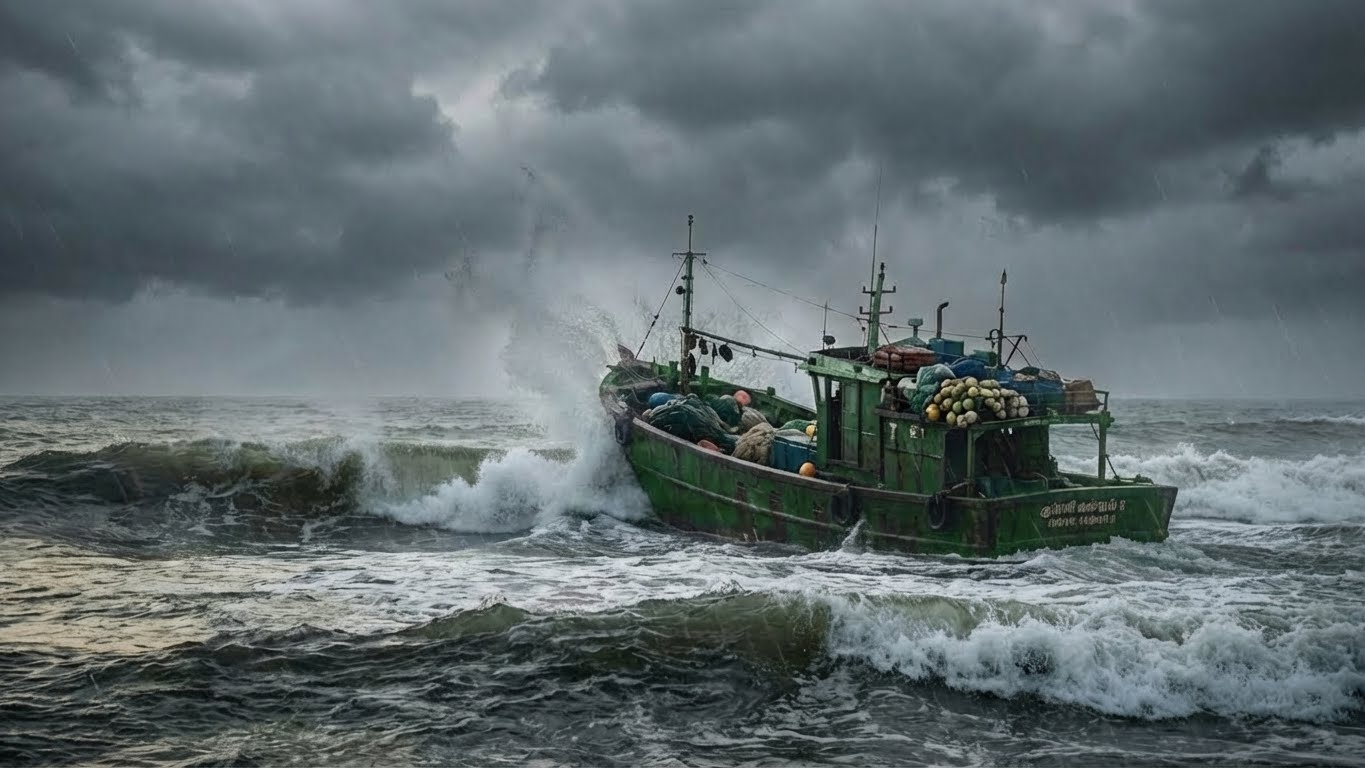
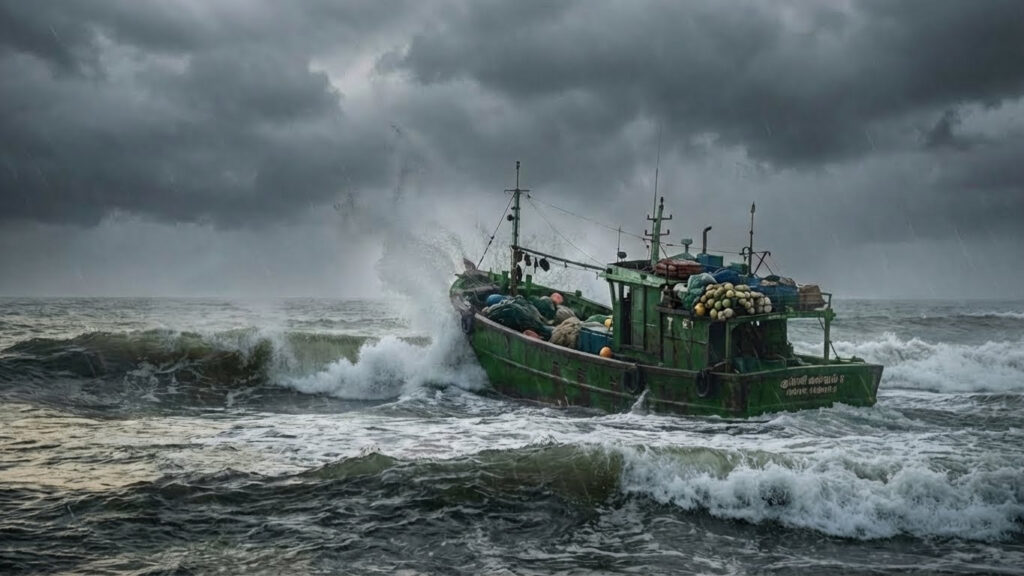
In Tamil Nadu, headlines once again report the arrest of Tamil fishermen by the Sri Lankan Navy for the alleged violation of the International Maritime Boundary Line (IMBL). On Tuesday, December 23, 2025, twelve fishermen—Sandhiya Nivastan, Kayous Raj, James Cayton, Prabath, Doja, Anthony Tilman, Agbo Nijo, Maria Anto Beston, Gorbachev, Madansan, Nimal Sahayam, and Anand were apprehended while fishing in the Mannar sea region. Their fishing vessel, owned by Jothibasu, was also seized by Sri Lankan naval personnel.
The twelve fishermen, hailing from Rameswaram and Thangachimadam, were charged with poaching in international waters. This late-December arrest came as a shock, particularly because just a month earlier, in November 2025, forty-nine fishermen had been arrested in separate incidents.
In Tamil Nadu, the arrest of fishermen, their repeated confrontations with the Sri Lankan Navy, and the resulting economic hardship are not new developments. Such arrests have become routine headlines, as has the confiscation of fishing boats. The fishermen’s issue has remained a politically charged subject for decades. Coastal districts such as Nagapattinam and Rameswaram are the most affected, with fishermen from the Ramanathapuram region bearing the brunt of these incidents.
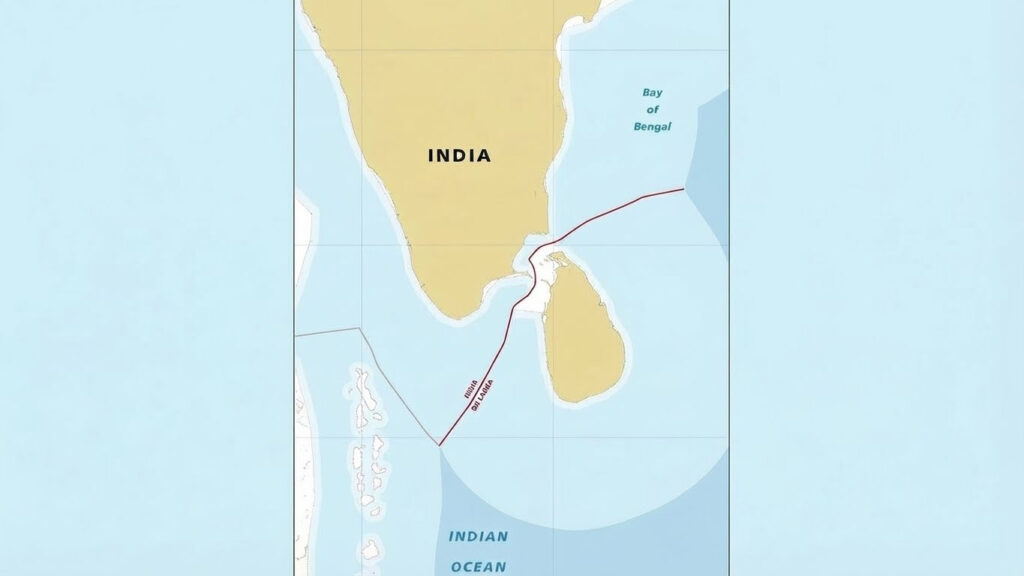
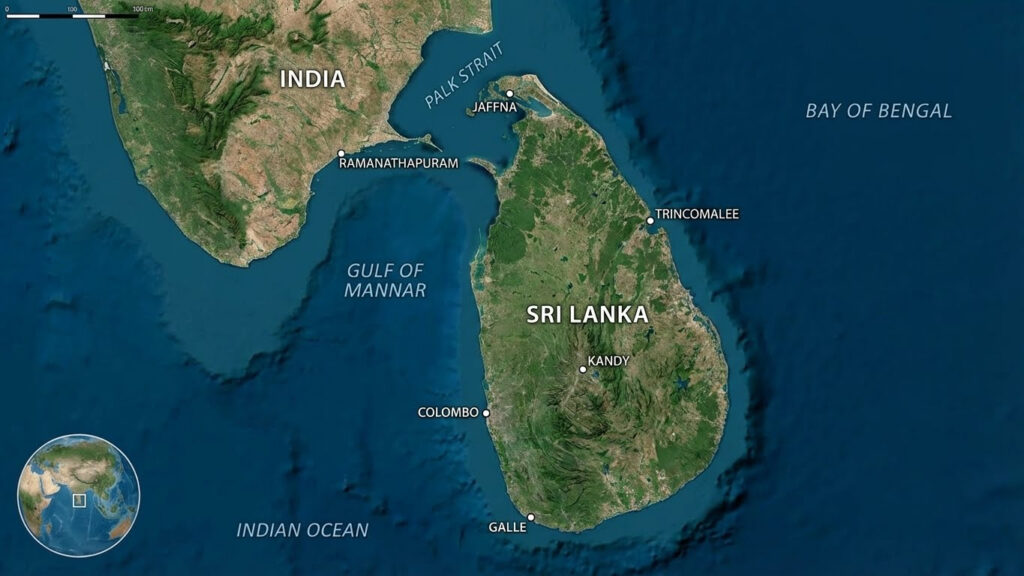
According to the Ministry of External Affairs, in response to a question raised in Parliament, as of November 27, 2025, there were 66 Indian fishermen in Sri Lankan prisons, 200 in Pakistan, 70 in Bangladesh, and 2 in Iraq. Focusing on the conflict between Indian Tamil fishermen and the Sri Lankan Navy, the core issue revolves around the International Maritime Boundary Line (IMBL) and fishing rights in Sri Lankan waters. The IMBL was established through agreements between the Governments of India and Sri Lanka in 1974 and 1976. It stretches from the tri-junction with the Maldives in the west to the 200-nautical-mile limit in the east. The boundary passes through the Palk Strait, a region referred to as “historic waters.” While the 1974 agreement dealt with boundaries in the Palk Strait and historic waters, the 1976 agreements settled maritime boundaries in the Gulf of Mannar, the Bay of Bengal, and, later, the tri-point between India, Sri Lanka, and the Maldives on July 31, 1976.
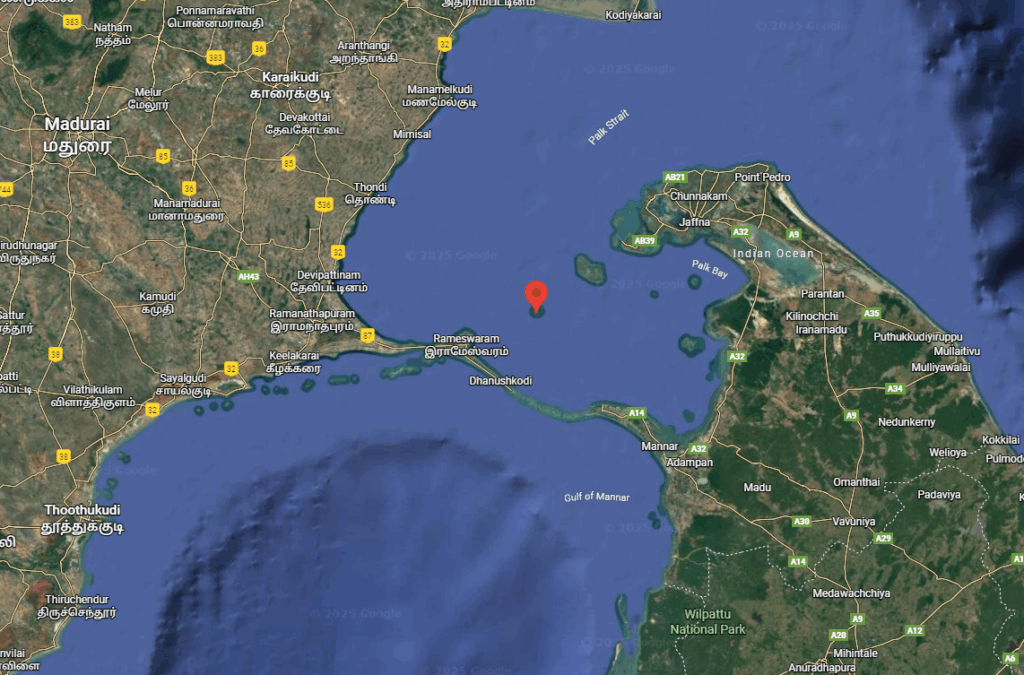
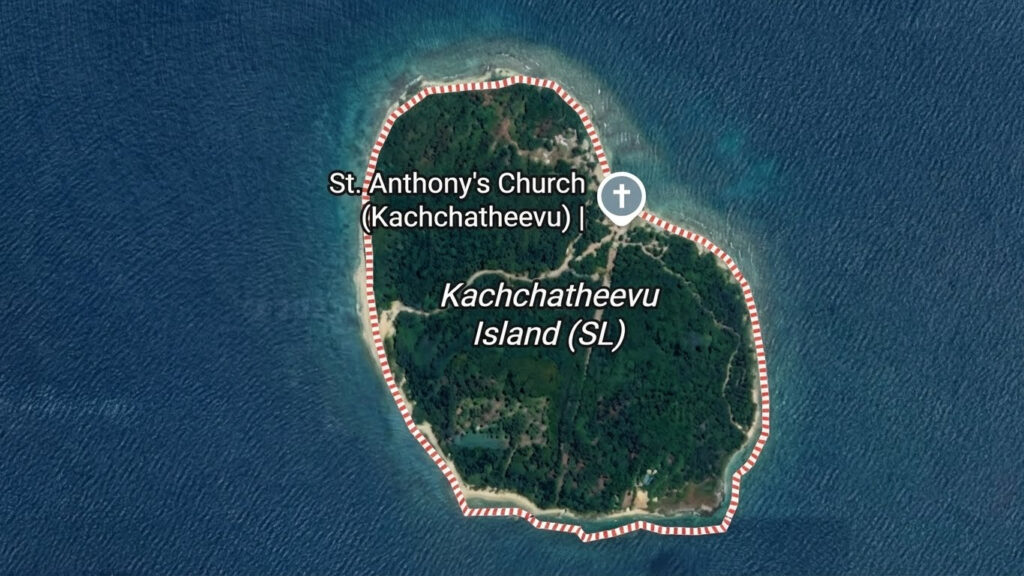
A crucial outcome of the 1974 maritime agreement was the transfer of Katchatheevu island to Sri Lanka. However, Katchatheevu was placed within historic waters, allowing Indian fishermen and pilgrims access for rest, drying nets, and participation in the annual festival at St. Antony’s Shrine on the island. More than fifty years later, the 1974 agreement which intended to resolve maritime boundary disputes in the Palk Strait has arguably failed to do so. The concept of “historic fishing rights” remains vague, leading to persistent disputes.
Following the end of the Sri Lankan civil war in 2009, arrests have increased significantly. On average, around 200 Indian fishermen are detained annually. A parliamentary response by the Ministry of External Affairs on July 25, 2025, reveals that 229 Tamil Nadu fishermen were arrested and 31 boats confiscated in 2022. In 2023, the figures stood at 220 fishermen and 33 boats. Alarmingly, in 2024, arrests surged to 526 fishermen, with 72 boats confiscated. Between 2022 and 2024, only 17 boats were released out of a total of 136 confiscated, highlighting the severe economic loss faced by an already marginalized community. The impounding of fishing vessels is widely perceived as a deliberate strategy by Sri Lankan authorities to deter Indian fishermen from entering Sri Lankan waters in the Palk Strait.
Tamil Nadu fishermen argue that they lost their traditional fishing grounds as a result of the 1974 agreement. The state government has repeatedly raised concerns about the debatable nature of the agreement.
Why do Tamil Nadu fishermen continue to cross the IMBL? Fishing is a major industry in the state, and Tamil Nadu contributes significantly to India’s overall fish production. Fishermen from Ramanathapuram are especially affected because their traditional fishing zones lie around Katchatheevu. Prior to the maritime treaties, fishermen freely accessed the Palk Bay and parts of the Bay of Bengal. The fishermen point out that the distance between Rameswaram and Katchatheevu is merely twelve nautical miles, and that much of these 12 nautical miles Indian waters are unsuitable for fishing. The waters near Katchatheevu are considered rich breeding grounds, attracting fishermen who intend recover the high costs of fuel and operations. At times, fishermen cross the IMBL knowingly, even ignoring GPS warnings to compensate economic losses. Consequently, fishermen’s unions and political leaders in Tamil Nadu continue to demand the annulment of the 1974 agreement and the reclamation of Katchatheevu as Indian territory. Because if Katchatheevu as a part of Indian territory, the exclusive economic zone of India will increase and this will thereby increase the fishing territory of Tamilnadu Fishermen.
Sri Lankan authorities, on the other hand, accuse Indian fishermen of engaging in banned bottom-trawling practices within Sri Lankan waters. Bottom trawling is widely regarded as destructive to marine ecosystems, and this further intensify the dispute.
From a constitutional perspective, Article 246 of the Indian Constitution, read with the Seventh Schedule, places external affairs and international agreements under the authority of the Union government. However, the Tamil Nadu government argues that parliamentary approval is mandatory for any transfer of sovereignty, and that no such approval was obtained for Katchatheevu. The Berubari Union case is frequently cited in this context. In that case, concerning disputed territory in West Bengal, the Supreme Court ruled that any transfer of Indian territory requires a constitutional amendment under Article 368. Since no such amendment was enacted for Katchatheevu, questions about the legality of its transfer persist. In February 2014, however, the Union government maintained that no Indian territory was ceded, asserting that Katchatheevu was a disputed area that had never been formally demarcated, and therefore did not require a constitutional amendment.
Historically, Katchatheevu has always been a contested territory. References to the island appear in inscriptions from the reign of Nissanka Malla, a Sri Lankan king in the late twelfth century. From the seventeenth century onward, the island was part of the Ramnad kingdom and later it came under the Madras Presidency. Disputes emerged in the 1920s between the British administrations of India and Ceylon. Although no formal treaty existed at the time, administrative control was granted to Ceylon, setting a precedent for the 1974 agreement. Why India chose to formalize this 1974 arrangement despite its impact on local fishing communities remains unclear, particularly since traditional fishing rights were not clearly protected in the agreement.
It is also important to note that the 1974 agreement predated the clearer international maritime framework established by the Third United Nations Conference on the Law of the Sea (UNCLOS III), concluded in 1982 and enforced from 1994. The Indo–Sri Lankan maritime agreements were thus shaped in an era of evolving international norms, contributing to the ambiguities that continue to affect fishermen today.
What is the way forward?
The Indian government has repeatedly promoted deep-sea fishingas a long-term solution to the fishermen’s crisis in the Palk Strait. The Union government, in coordination with state governments, has announced schemes providing deep-sea fishing vessels with subsidies ranging from 40 to 60 percent, shared between the Centre and the states. Additionally, fishermen have been encouraged to convert existing trawlers into deep-sea vessels, with subsidies of up to 15 lakh per unit. However, despite these policy announcements, their impact on the ground has been minimal. High operational costs, lack of training, inadequate infrastructure, and fishermen’s unfamiliarity with deep-sea fishing methods have limited the effectiveness of these schemes.
Given these realities, deep-sea fishing cannot be treated as an immediate or standalone solution.
The more practical and urgent way forward lies in sustained diplomatic engagement. India and Sri Lanka have historically maintained cordial bilateral relations, and this provides an opportunity for constructive dialogue. A re-examination and redrafting of the 1974 maritimeagreement with explicit and unambiguous recognition of historic fishing rights is essential. Any revised framework must clearly demarcate fishing zones while safeguarding the livelihood interests of fishing communities on both sides of the Palk Strait.
The political demand to reclaim Katchatheevu as Indian territory involves complex legal, diplomatic, and constitutional challenges and is unlikely to yield short-term relief for fishermen. Instead of pursuing a prolonged territorial contest, focused efforts to secure regulated fishing rights for Tamil Nadu fishermen in the waters around Katchatheevu will offer a more immediate and humane solution. Such an arrangement could include licensed access and joint monitoring mechanisms to prevent ecological damage.
Ultimately, the fishermen’s issue is not merely a question of sovereignty or maritime boundaries but one of livelihood, dignity, and survival. Any durable solution must move beyond symbolic politics and adopt a people-centric, cooperative, and pragmatic approach, ensuring that centuries-old fishing communities are not rendered collateral victims of unresolved maritime agreements.
Authors opinon –The idea of shared fishing rights beyond rigid interpretations of exclusive economic zones through reciprocal access, licensing, intermediate fishing zones, shared quotas, and cooperative resource management offers the most realistic and humane path forward.