Scale of Death and Destruction
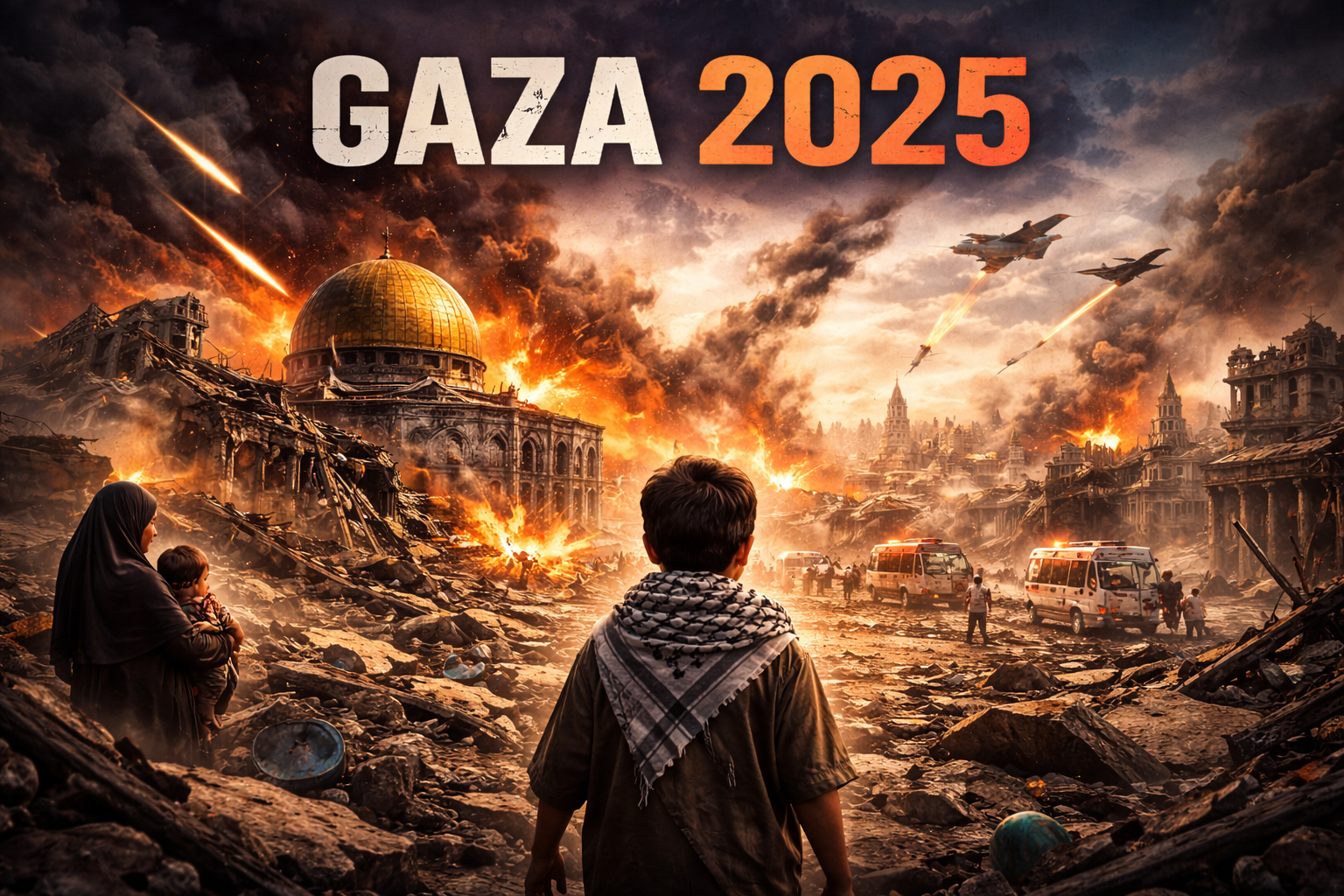
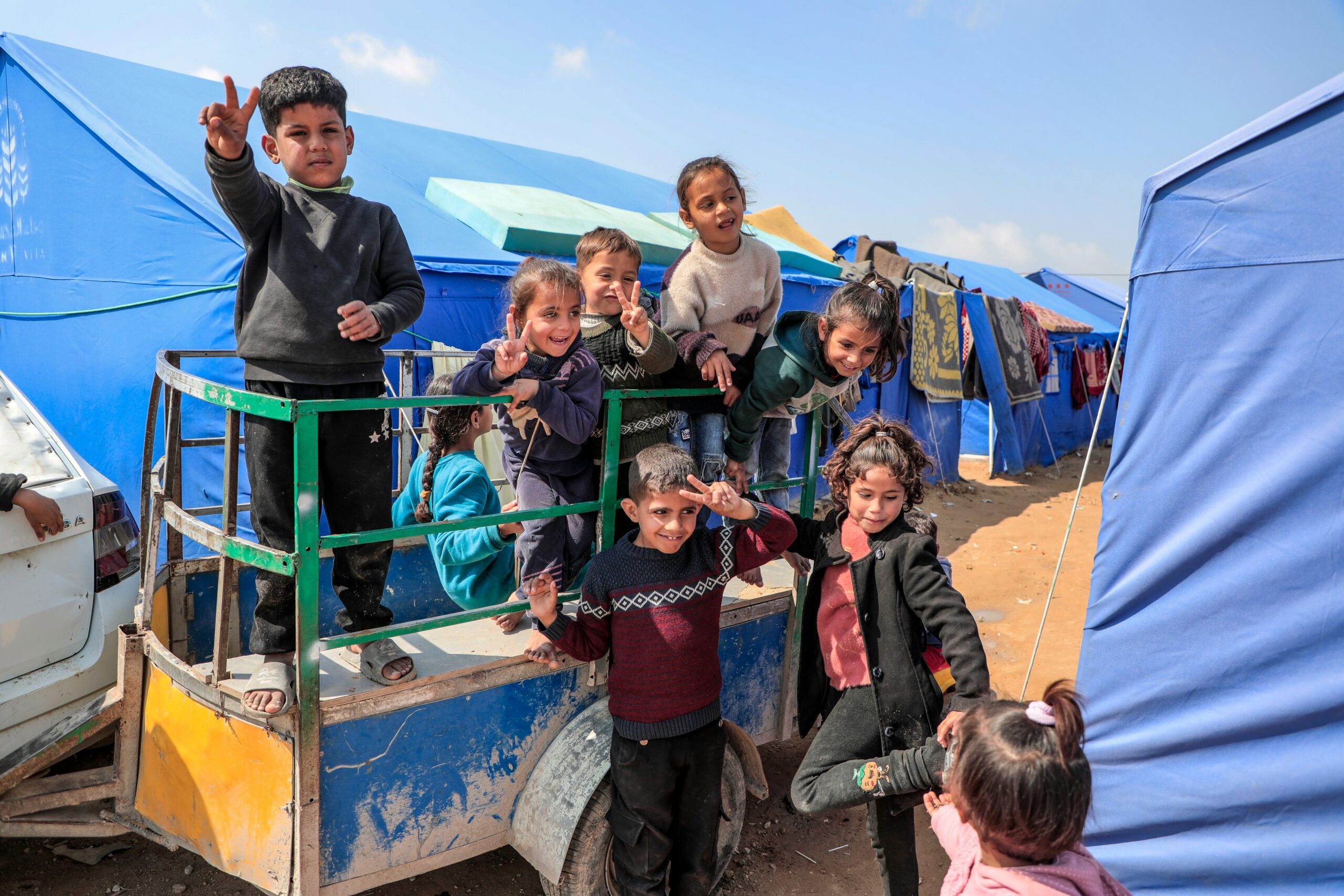
By the end of 2025, the war in Gaza had resulted in tens of thousands of Palestinian deaths, with Gaza health authorities and international organizations estimating the toll at over 70,000 killed, a large proportion of them women and children. Many more were injured, while vast numbers were displaced multiple times as fighting shifted across the territory. The death toll from the Israeli occupation’s ongoing aggression on the Gaza Strip has reached 71,386 fatalities, with 171,264 others injured, since October 7, 2023, according to media sources.
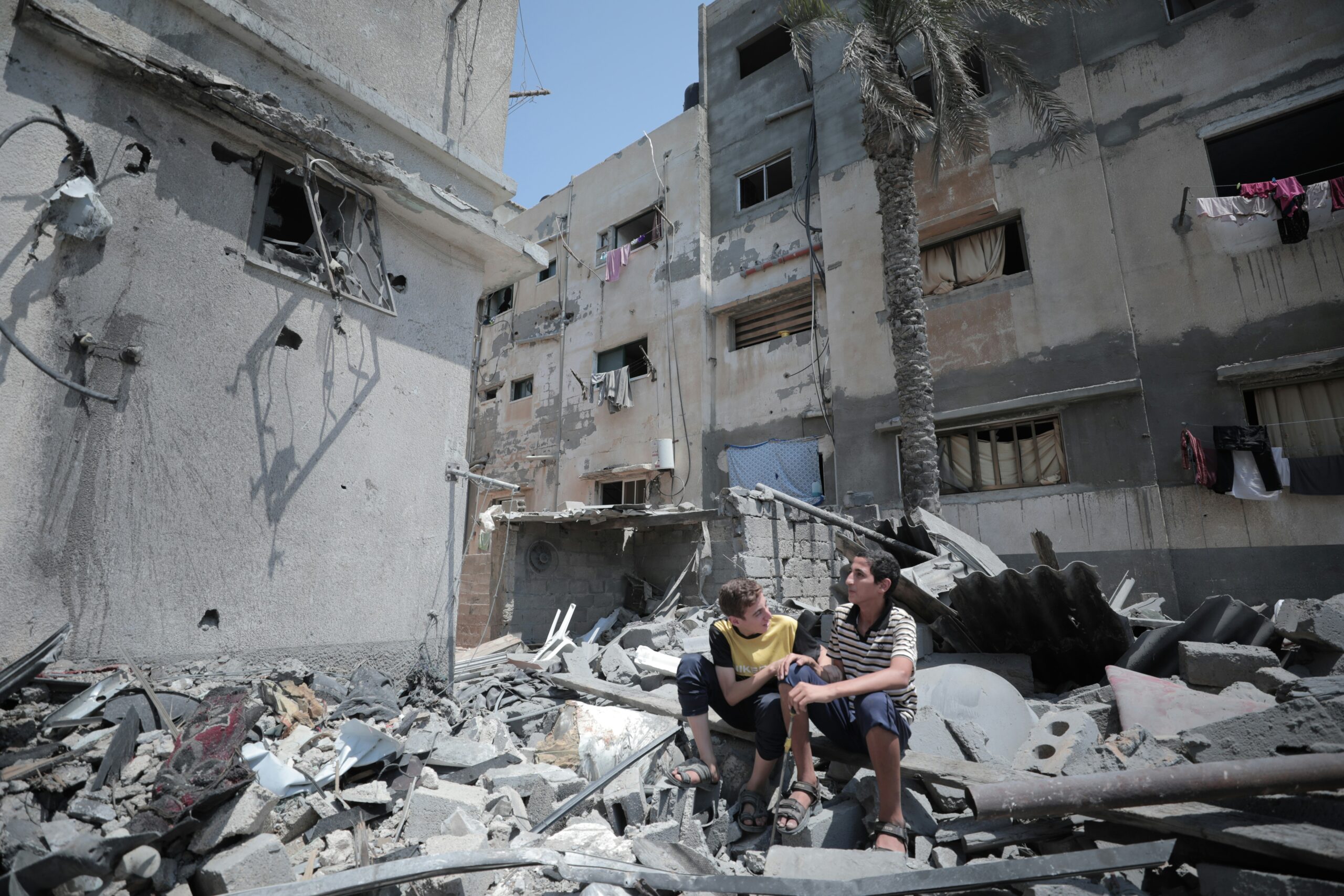
Israeli air and artillery bombardments continued throughout the year, targeting what Israel said were Hamas command centers, tunnel networks, and weapons sites. But the truth is targets were often civilian and civilian deaths mounted. Entire neighborhoods were reduced to rubble, and repeated strikes hit densely populated areas, contributing to one of the highest civilian death rates in recent conflicts.
Major Bombing Campaigns
In 2025, Israel carried out large-scale bombing operations across Gaza, including in Gaza City, Khan Younis, and Rafah. Strikes frequently followed evacuation warnings, though humanitarian groups said civilians often had nowhere safe to go.
Key infrastructure was repeatedly hit, including:
- Residential housing blocks
- Hospitals and medical facilities
- Roads and water systems
The destruction severely limited emergency response and deepened the humanitarian crisis.
Siege, Hunger, and Aid Restrictions
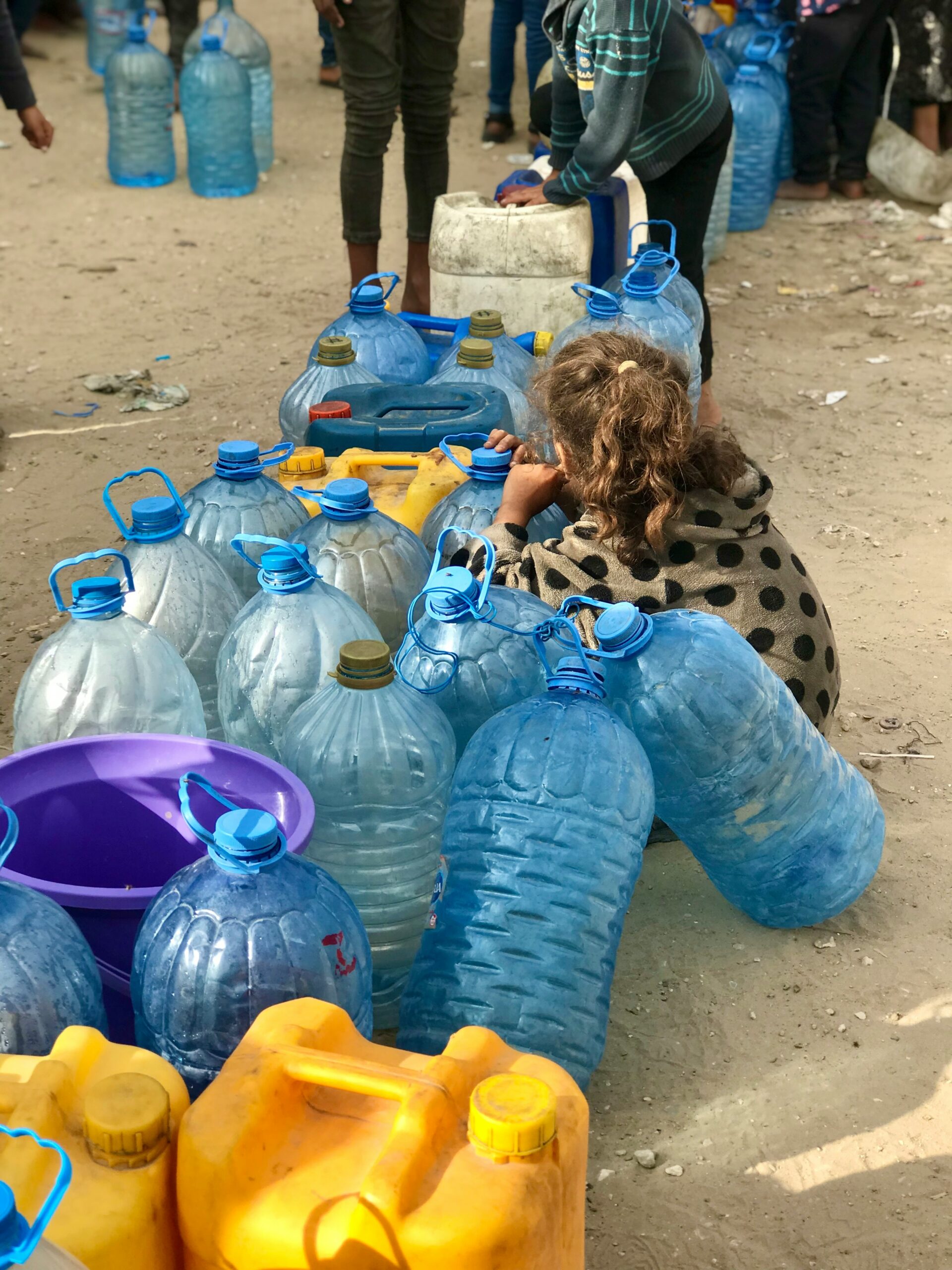
Gaza remained under a tight siege for most of the year. The entry of food, fuel, medicine, and construction materials was heavily restricted. International agencies warned of famine-like conditions, widespread malnutrition, and collapsing healthcare services. Israel has imposed partial and total blockade of gaza at multiple instances from 2007. This escalated during the ongoing war in 2023. On March 2, 2025: Israel completely halted all aid supplies from entering the territory again, an order which marked the longest complete closure since the war began. During this time, maJor humanitarian crisis occured and several children reportedly died from malnutrition. It is only in may 2025 there was some release in blockade and relief materials started entering gaza, this is 80 days after.
- March 2: For the second time since the start of the war, Israel halts the entry of all humanitarian aid into Gaza, an order that currently remains in effect.
- March 10: Philippe Lazzarini, the head of the UN’s agency for Palestinian refugees (UNRWA), warns that another hunger crisis looms in Gaza and accuses Israel of an illegal “weaponisation of humanitarian aid”.
- March 18: Israel ends the ceasefire, and its military conducts one of the heaviest bombing campaigns in Gaza yet, killing more than 400 Palestinians and wounding more than 500, many of them children, on the first day alone.
- March 25: The UN announces it is withdrawing 30 percent of its international staff from Gaza after an Israeli air strike on March 19 kills a Bulgarian UN staff member and severely wounds six other foreign workers. – source https://www.aljazeera.com/news/2025/3/25/a-timeline-of-israels-weaponisation-of-aid-to-gaza
The Humanitarian convoys throught the year 2025 faced delays, inspections, and security risks. Distribution systems struggled to function in the absence of fuel, electricity, and secure transport routes.
Firing Near Aid Distribution
Under sustained international pressure to allow aid into the besieged Gaza Strip Israel and the US backed the GHF as an independent agency to administer aid. This “The Gaza Humanitarian Foundation” backed by U.S and its distribution of aid lead to a death toll of 2000 Palestinians in and around its distribution sites, according to UN figures.
Multiple incidents in 2025 involved gunfire and violence near aid distribution sites, leading to civilian deaths.
Hostages and Prisoner release
During the January 2025 Gaza war ceasefire 33 Israeli and 5 Thai hostages were released by Hamas and about 2,000 Palestinian prisoners were released by Israel.[123][124] .
On 3 September 2025, Hamas announced that it is prepared to release all hostages held in Gaza in exchange for an agreed number of Palestinian prisoners, with the proposed deal to include a complete ceasefire and the withdrawal of Israeli troops from the enclave.[126][127]
On 29 September 2025, U.S. President Donald Trump and Israeli Prime Minister Benjamin Netanyahu announced in a press conference at the White House that they had reached an agreement on Gaza war peace plan, which would be implemented moving forward. The plan includes the cessation of hostilities, the return of all Israeli hostages, both living and deceased, within 72 hours, and the establishment of a governance alternative to Hamas.[128] The last twenty living hostages were released on October 13, 2025 as part of the Gaza peace plan. As of 17 December 2025, the body of one hostage, Ran Gvili, is still held in the Gaza Strip.
Diplomacy and Current status
Throughout 2025, multiple ceasefire proposals were discussed. The United States, Egypt, and Qatar pushed for agreements linking, a pause or end to fighting, hostage releases and expanded humanitarian access
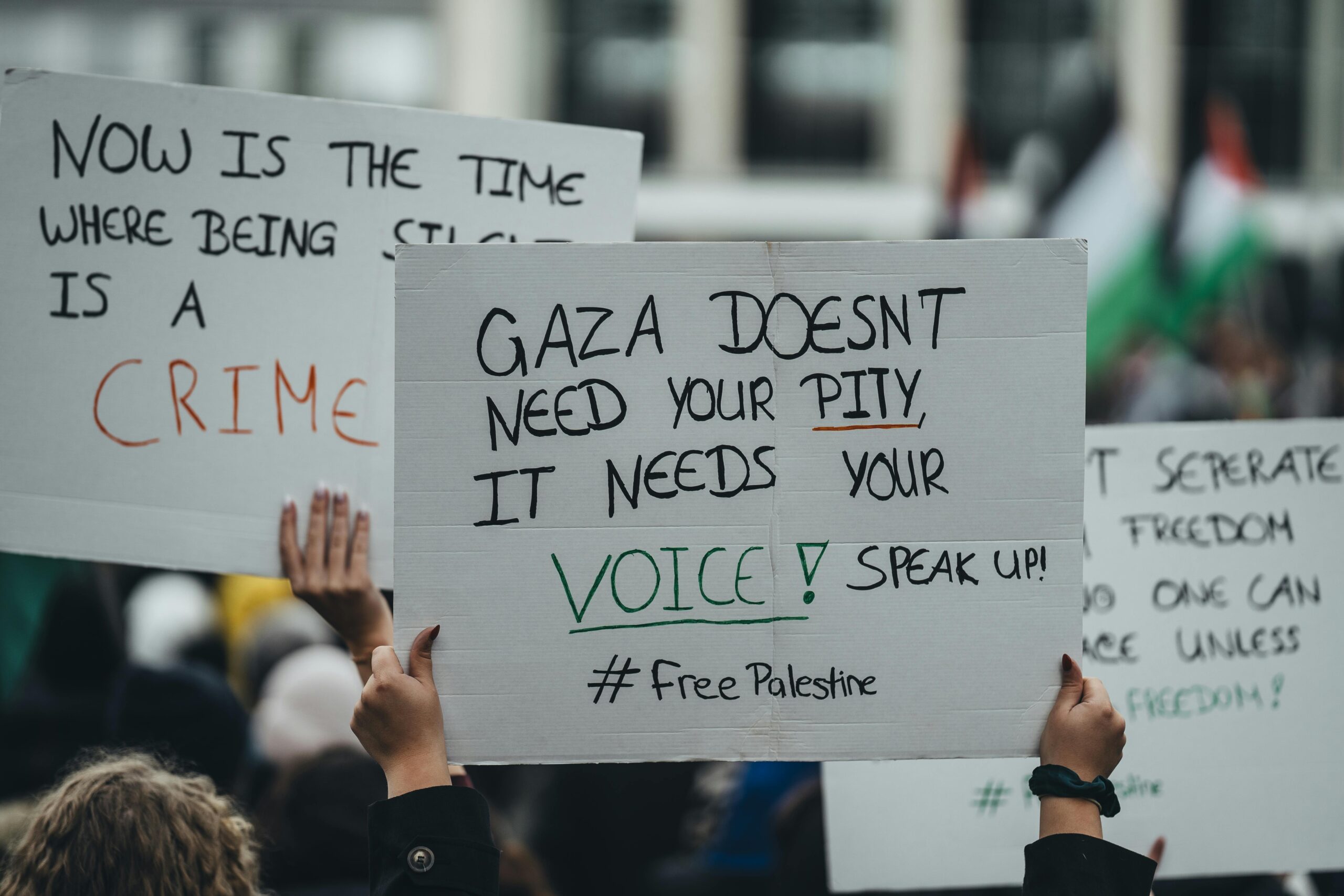
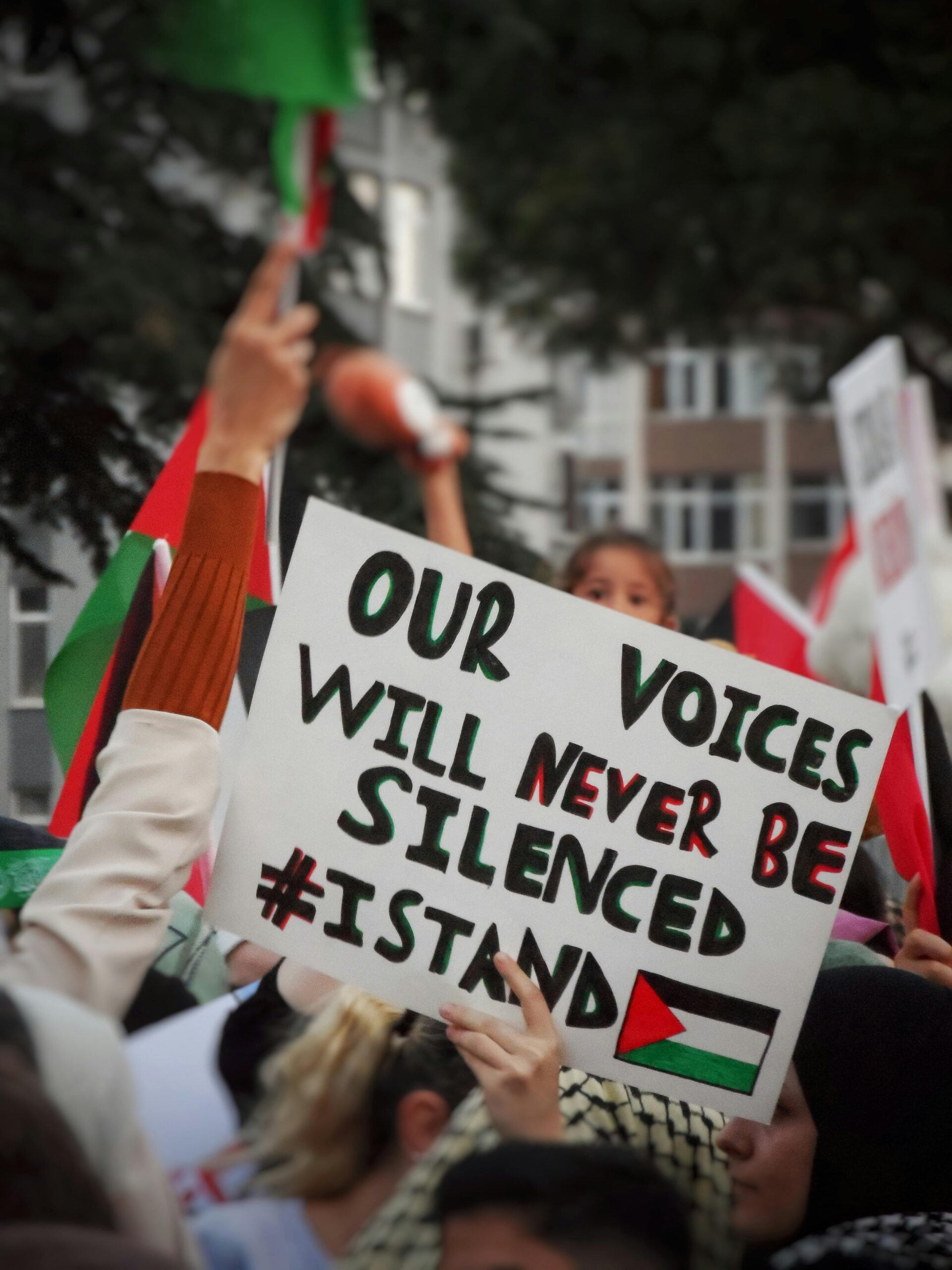
The Gaza war fueled regional instability, contributing to clashes involving Iran-aligned groups and increasing tensions between Israel and its adversaries. Globally, the conflict sparked protests, diplomatic rifts, and legal debates over the conduct of the war.
Status by End of 2025
The Gaza peace plan, officially the Comprehensive Plan to End the Gaza Conflict, a multilateral agreement between Israel and Hamas aims to address the ongoing Gaza war and broader Middle Eastern crisis. Led by United States president Donald Trump, it was negotiated in consultation with many Arab and Muslim countries. As of the future of GAZA stands with this peace plan and its 20-point proposal.
- Gaza will be a deradicalized terror-free zone that does not pose a threat to its neighbors.
- Gaza will be redeveloped for the benefit of the people of Gaza, who have suffered more than enough.
- If both sides agree to this proposal, the war will immediately end. Israeli forces will withdraw to the agreed upon line to prepare for a hostage release. During this time, all military operations, including aerial and artillery bombardment, will be suspended, and battle lines will remain frozen until conditions are met for the complete staged withdrawal.
- Within 72 hours of Israel publicly accepting this agreement, all hostages, alive and deceased, will be returned.
- Once all hostages are released, Israel will release 250 life sentence prisoners plus 1700 Gazans who were detained after October 7, 2023, including all women and children detained in that context. For every Israeli hostage whose remains are released, Israel will release the remains of 15 deceased Gazans.
- Once all hostages are returned, Hamas members who commit to peaceful co-existence and to decommission their weapons will be given amnesty. Members of Hamas who wish to leave Gaza will be provided safe passage to receiving countries.
- Upon acceptance of this agreement, full aid will be immediately sent into the Gaza Strip. At a minimum, aid quantities will be consistent with what was included in the January 19, 2025, agreement regarding humanitarian aid, including rehabilitation of infrastructure (water, electricity, sewage), rehabilitation of hospitals and bakeries, and entry of necessary equipment to remove rubble and open roads.
- Entry of distribution and aid in the Gaza Strip will proceed without interference from the two parties through the United Nations and its agencies, and the Red Crescent, in addition to other international institutions not associated in any manner with either party. Opening the Rafah crossing in both directions will be subject to the same mechanism implemented under the January 19, 2025, agreement.
- Gaza will be governed under the temporary transitional governance of a technocratic, apolitical Palestinian committee, responsible for delivering the day-to-day running of public services and municipalities for the people in Gaza. This committee will be made up of qualified Palestinians and international experts, with oversight and supervision by a new international transitional body, the “Board of Peace”, which will be headed and chaired by President Donald J. Trump, with other members and heads of State to be announced, including former prime minister Tony Blair. This body will set the framework and handle the funding for the redevelopment of Gaza until such time as the Palestinian Authority has completed its reform program, as outlined in various proposals, including President Trump’s peace plan in 2020 and the Saudi-French proposal, and can securely and effectively take back control of Gaza. This body will call on best international standards to create modern and efficient governance that serves the people of Gaza and is conducive to attracting investment.
- A Trump economic development plan to rebuild and energize Gaza will be created by convening a panel of experts who have helped birth some of the thriving modern miracle cities in the Middle East. Many thoughtful investment proposals and exciting development ideas have been crafted by well-meaning international groups, and will be considered to synthesize the security and governance frameworks to attract and facilitate these investments that will create jobs, opportunity, and hope for future Gaza.
- A special economic zone will be established with preferred tariff and access rates to be negotiated with participating countries.
- No one will be forced to leave Gaza, and those who wish to leave will be free to do so and free to return. We will encourage people to stay and offer them the opportunity to build a better Gaza.
- Hamas and other factions agree to not have any role in the governance of Gaza, directly, indirectly, or in any form. All military, terror, and offensive infrastructure, including tunnels and weapon production facilities, will be destroyed and not rebuilt. There will be a process of demilitarization of Gaza under the supervision of independent monitors, which will include placing weapons permanently beyond use through an agreed process of decommissioning, and supported by an internationally funded buy back and reintegration program all verified by the independent monitors. New Gaza will be fully committed to building a prosperous economy and to peaceful coexistence with their neighbors.
- A guarantee will be provided by regional partners to ensure that Hamas, and the factions, comply with their obligations and that New Gaza poses no threat to its neighbors or its people.
- The United States will work with Arab and international partners to develop a temporary International Stabilization Force (ISF) to immediately deploy in Gaza. The ISF will train and provide support to vetted Palestinian police forces in Gaza, and will consult with Jordan and Egypt who have extensive experience in this field. This force will be the long-term internal security solution. The ISF will work with Israel and Egypt to help secure border areas, along with newly trained Palestinian police forces. It is critical to prevent munitions from entering Gaza and to facilitate the rapid and secure flow of goods to rebuild and revitalize Gaza. A deconfliction mechanism will be agreed upon by the parties.
- Israel will not occupy or annex Gaza. As the ISF establishes control and stability, the Israel Defense Forces (IDF) will withdraw based on standards, milestones, and timeframes linked to demilitarization that will be agreed upon between the IDF, ISF, the guarantors, and the United States, with the objective of a secure Gaza that no longer poses a threat to Israel, Egypt, or its citizens. Practically, the IDF will progressively hand over the Gaza territory it occupies to the ISF according to an agreement they will make with the transitional authority until they are withdrawn completely from Gaza, save for a security perimeter presence that will remain until Gaza is properly secure from any resurgent terror threat.
- In the event Hamas delays or rejects this proposal, the above, including the scaled-up aid operation, will proceed in the terror-free areas handed over from the IDF to the ISF.
- An interfaith dialogue process will be established based on the values of tolerance and peaceful co-existence to try and change mindsets and narratives of Palestinians and Israelis by emphasizing the benefits that can be derived from peace.
- While Gaza re-development advances and when the PA reform program is faithfully carried out, the conditions may finally be in place for a credible pathway to Palestinian self-determination and statehood, which we recognize as the aspiration of the Palestinian people.
- The United States will establish a dialogue between Israel and the Palestinians to agree on a political horizon for peaceful and prosperous co-existence.
About The Author

Discover more from thecriticspoetry
Subscribe to get the latest posts sent to your email.