Iran–Israel Conflict: A Concise but Complete Assessment (2025)
For more latest news https://apnews.com/search?q=iran+-+israel+&s=0
Background
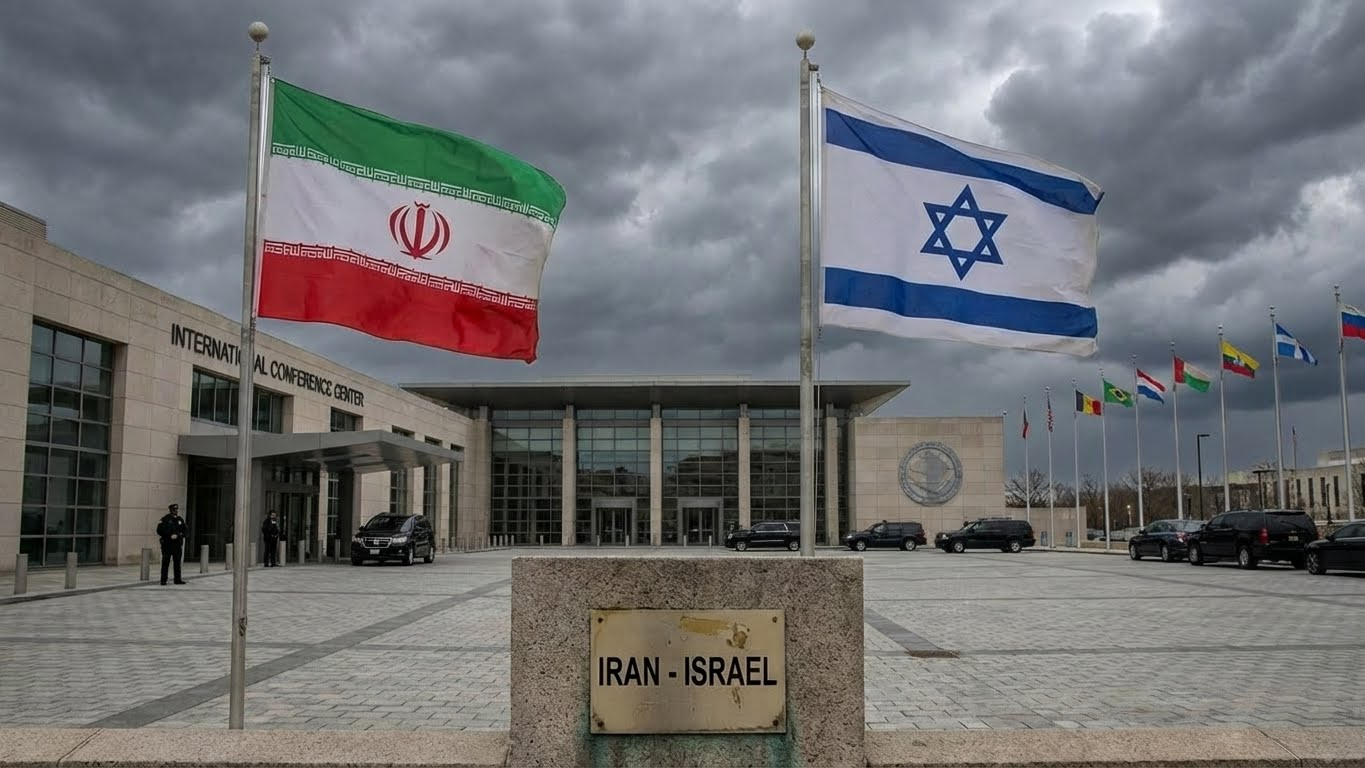
For years, Iran and Israel were engaged in a shadow conflict involving cyber operations, intelligence actions, proxy forces, and strikes outside each other’s borders. In 2025, this confrontation shifted into direct military exchanges, marking a major escalation in Middle East geopolitics.
Direct Military Escalation in 2025
In mid-2025, Israel launched direct strikes against Iranian targets, including military and infrastructure-related sites. These attacks were aimed at degrading Iran’s military capabilities and deterring further regional influence, particularly linked to Iran’s support for armed groups hostile to Israel. According to Israeli Prime Minister Benjamin Netanyahu, IRGC intelligence chief Mohammad Kazemi and his deputy, Hassan Mohaqeq, were killed. Ali Shamkhani, a rear admiral and member of the Expediency Discernment Council, was reportedly killed in an airstrike on 13 June 2025.
Iran responded with missile and drone attacks, openly targeting Israel and issuing warnings to civilians near strategic locations. This marked one of the rare moments of direct state-to-state military confrontation between the two countries, raising fears of a broader regional war.
U.S. Involvement and Ceasefire
The escalation drew in the United States diplomatically and militarily. Limited U.S. strikes were carried out against Iranian-linked targets, while Washington simultaneously worked to prevent further escalation by forcing.
A ceasefire was eventually brokered by U.S. President Donald Trump, bringing an end to the immediate exchange of attacks. However, no formal peace agreement or long-term de-escalation framework was established. Qatar played a key role in the ceasefire
Iran’s Position After the Fighting
Following the ceasefire, Iranian leaders adopted a sharply confrontational tone. In late 2025, Iran’s president said the country was in what he described as a “full-scale war” with the United States, Israel, and Europe, referring to a combination of military pressure, sanctions, and political isolation rather than a declared conventional war.
Iran warned that any future attacks on its territory, nuclear facilities, or regional interests would trigger retaliation. At the same time, Iranian officials blamed Western sanctions for severe economic strain and internal unrest.
Israel’s Regional Posture
Israel emerged from the confrontation facing continued multi-front pressure, including threats from Iran-aligned groups elsewhere in the region. While the direct Israel–Iran fighting subsided, Israel maintained a high state of military readiness and continued strikes against perceived threats beyond its borders.
Regional and Global Impact
The escalation heightened tensions across the Middle East, increased risks to global energy markets, and reinforced fears of wider conflict. Gulf states and regional powers sought to avoid being drawn into direct confrontation, while global powers focused on containment rather than resolution.
Status by End of 2025
By the end of 2025, the Israel–Iran conflict had paused but not resolved. The ceasefire held, but underlying issues, including Iran’s regional influence, Israel’s security concerns, and the absence of a diplomatic framework, left the situation fragile and prone to renewed escalation.
About The Author

Discover more from thecriticspoetry
Subscribe to get the latest posts sent to your email.