View photos from AP News covering New Year celebrations around the world https://apnews.com/photo-gallery/new-year-eve-2026-celebration-photos-990cefb87073dc84d362839d810c2919#
As midnight arrived across successive time zones, countries around the world marked the beginning of 2026, bringing an end to a year shaped by global change, uncertainty, and adaptation. From early celebrations in the Pacific to late-night countdowns in the Americas, New Year’s Eve was observed through a mix of public events, private gatherings, and moments of reflection.
A New Year Begins in the East
The first regions to enter 2026 were parts of the Pacific and Oceania. In New Zealand and Australia, public celebrations and fireworks marked the transition into the new year. In Sydney, crowds gathered along the harbor and surrounding areas to witness the annual fireworks display, which once again served as one of the earliest widely watched New Year events.
Across East Asia, cities welcomed the new year with a combination of public countdowns, light displays, and cultural performances. While some locations hosted large scale events, others marked the occasion in a more restrained manner, reflecting local customs and public arrangements.
Asia Welcomes 2026 with Tradition and Modernity
In South and Southeast Asia, the arrival of 2026 was observed in diverse ways. Urban centers saw people gathering in public spaces, restaurants, and homes, while many followed countdowns through television and digital platforms. Fireworks and light displays were visible in several cities, alongside family gatherings and community events.
In India, where traditional New Year celebrations vary by region and calendar, December 31 and January 1 continue to be observed primarily in metropolitan areas. Many people marked the occasion through social gatherings, religious observances, or quiet reflection, combining contemporary celebrations with personal or cultural practices.
Europe Counts Down Together
As the new year reached Europe, cities and towns across the continent prepared for midnight under winter conditions. Public squares, landmarks, and riverfronts became focal points for celebrations in several countries, while fireworks and church bells marked the change of year in others.
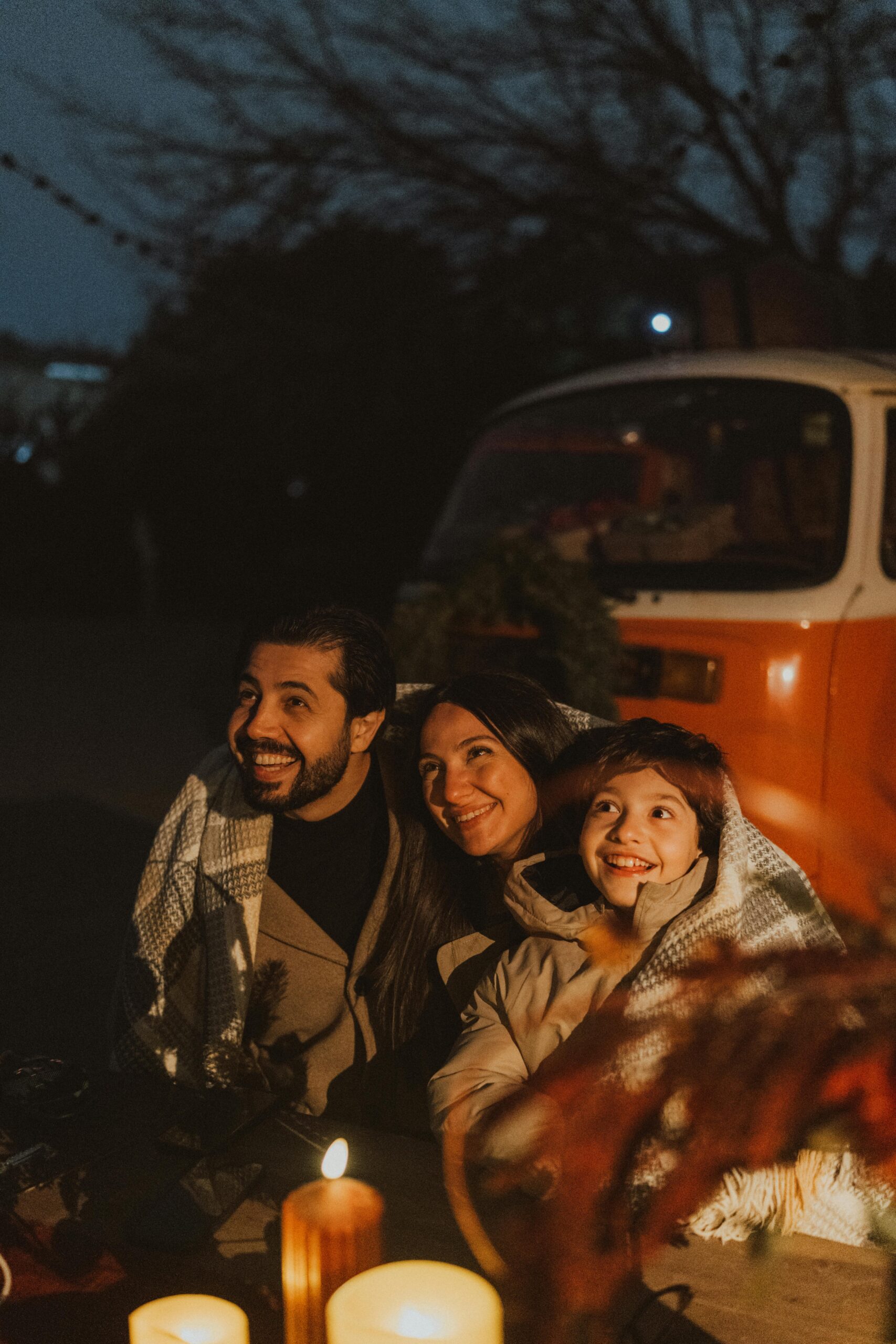
For many, the evening involved large public gatherings and celebrations. For others, it remained a private occasion spent with family or close friends. Across the region, the annual transition into a new year continued to serve as a shared moment of pause and renewal.
The Americas Close the Global Countdown
Hours later, the final major time zones welcomed 2026 across North and South America. Cities hosted concerts, countdowns, and fireworks displays, while millions of people followed the moment from their homes.
In New York, the Times Square New Year’s Eve event once again marked the last widely observed countdown of the global celebrations. As the calendar turned, attention shifted from festivity to reflection, with many looking ahead to the opportunities and challenges of the year to come.
Messages From World Leaders
As 2026 began, several world leaders issued New Year messages addressing national and global themes.
Pope Francis used the occasion to emphasize compassion and inclusion, calling on societies, including Rome, to be more welcoming to foreigners and migrants. His message highlighted peace, dignity, and solidarity as priorities for the year ahead. He also said, “May your life become a garden of opportunities for happiness … That in spring may it be a lover of joy. In winter a lover of wisdom. “
Indian Prime Minister Narendra Modi extended greetings to citizens, “May the year ahead bring good health and prosperity, with success in your efforts and fulfilment in all that you do. Praying for peace and happiness in our society.”
Across globe, political and spiritual leaders extended their new year wish to the world.
While differing in focus, the messages reflected a shared emphasis on direction, responsibility, and transition at the start of 2026.
A Moment of Reflection and Renewal
Beyond public celebrations, the arrival of the new year served as a moment of reflection for many around the world. Individuals and communities looked back on the events of the previous year while considering personal goals and broader global developments.
Although celebrations varied widely by region and culture, the shared observance of the new year underscored a common human impulse to pause, reflect, and begin again.
Looking Ahead
As festivities concluded and daily routines resumed, 2026 began with expectations shaped by both hope and uncertainty. What remains consistent is the global tradition of marking time, acknowledging change, and looking forward.
The world has stepped into 2026. The course of the year will continue to unfold, one day at a time, across every region of the globe.
The World Stepped Into 2026
As midnight arrived across successive time zones, countries around the world marked the beginning of 2026, bringing an end to a year shaped by global change, uncertainty, and adaptation. From early celebrations in the Pacific to late-night countdowns in the Americas, New Year’s Eve was observed through a mix of public events, private gatherings, and moments of reflection.
A New Year Begins in the East
The first regions to enter 2026 were parts of the Pacific and Oceania. In New Zealand and Australia, public celebrations and fireworks marked the transition into the new year. In Sydney, crowds gathered along the harbor and surrounding areas to witness the annual fireworks display, which once again served as one of the earliest widely watched New Year events.
Across East Asia, cities welcomed the new year with a combination of public countdowns, light displays, and cultural performances. While some locations hosted large scale events, others marked the occasion in a more restrained manner, reflecting local customs and public arrangements.
Asia Welcomes 2026 with Tradition and Modernity
In South and Southeast Asia, the arrival of 2026 was observed in diverse ways. Urban centers saw people gathering in public spaces, restaurants, and homes, while many followed countdowns through television and digital platforms. Fireworks and light displays were visible in several cities, alongside family gatherings and community events.
In India, where traditional New Year celebrations vary by region and calendar, December 31 and January 1 continue to be observed primarily in metropolitan areas. Many people marked the occasion through social gatherings, religious observances, or quiet reflection, combining contemporary celebrations with personal or cultural practices.
Europe Counts Down Together
As the new year reached Europe, cities and towns across the continent prepared for midnight under winter conditions. Public squares, landmarks, and riverfronts became focal points for celebrations in several countries, while fireworks and church bells marked the change of year in others.
For many, the evening involved large public gatherings and celebrations. For others, it remained a private occasion spent with family or close friends. Across the region, the annual transition into a new year continued to serve as a shared moment of pause and renewal.
The Americas Close the Global Countdown
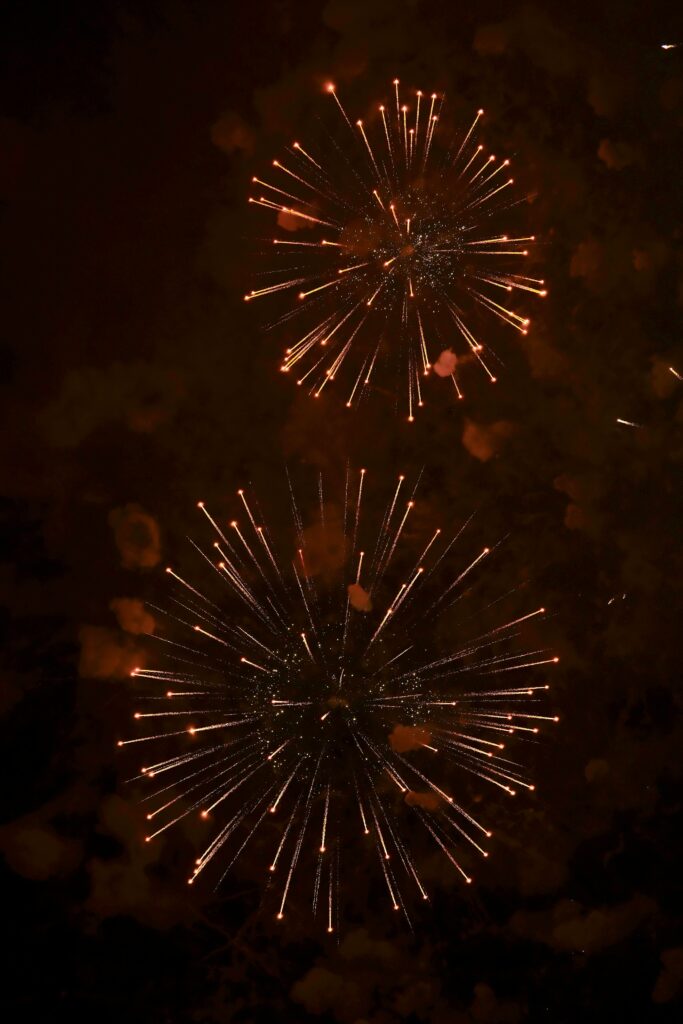
Hours later, the final major time zones welcomed 2026 across North and South America. Cities hosted concerts, countdowns, and fireworks displays, while millions of people followed the moment from their homes.
In New York, the Times Square New Year’s Eve event once again marked the last widely observed countdown of the global celebrations. As the calendar turned, attention shifted from festivity to reflection, with many looking ahead to the opportunities and challenges of the year to come.
Messages From World Leaders
As 2026 began, several world leaders issued New Year messages addressing national and global themes.
Pope Francis used the occasion to emphasize compassion and inclusion, calling on societies, including Rome, to be more welcoming to foreigners and migrants. His message highlighted peace, dignity, and solidarity as priorities for the year ahead.
Indian Prime Minister Narendra Modi extended greetings to citizens, encouraging unity, innovation, and collective effort. His remarks focused on development, national confidence, and the role of younger generations in shaping the future.
In the United States, former President Donald Trump marked the new year with a message focused on national strength, economic priorities, and optimism. He emphasized themes of leadership and security as central to the year ahead.
While differing in focus, the messages reflected a shared emphasis on direction, responsibility, and transition at the start of 2026.
A Moment of Reflection and Renewal
Beyond public celebrations, the arrival of the new year served as a moment of reflection for many around the world. Individuals and communities looked back on the events of the previous year while considering personal goals and broader global developments.
Although celebrations varied widely by region and culture, the shared observance of the new year underscored a common human impulse to pause, reflect, and begin again.
Looking Ahead
As festivities concluded and daily routines resumed, 2026 began with expectations shaped by both hope and uncertainty. What remains consistent is the global tradition of marking time, acknowledging change, and looking forward.
The world has stepped into 2026. The course of the year will continue to unfold, one day at a time, across every region of the globe.
About The Author

Discover more from thecriticspoetry
Subscribe to get the latest posts sent to your email.